

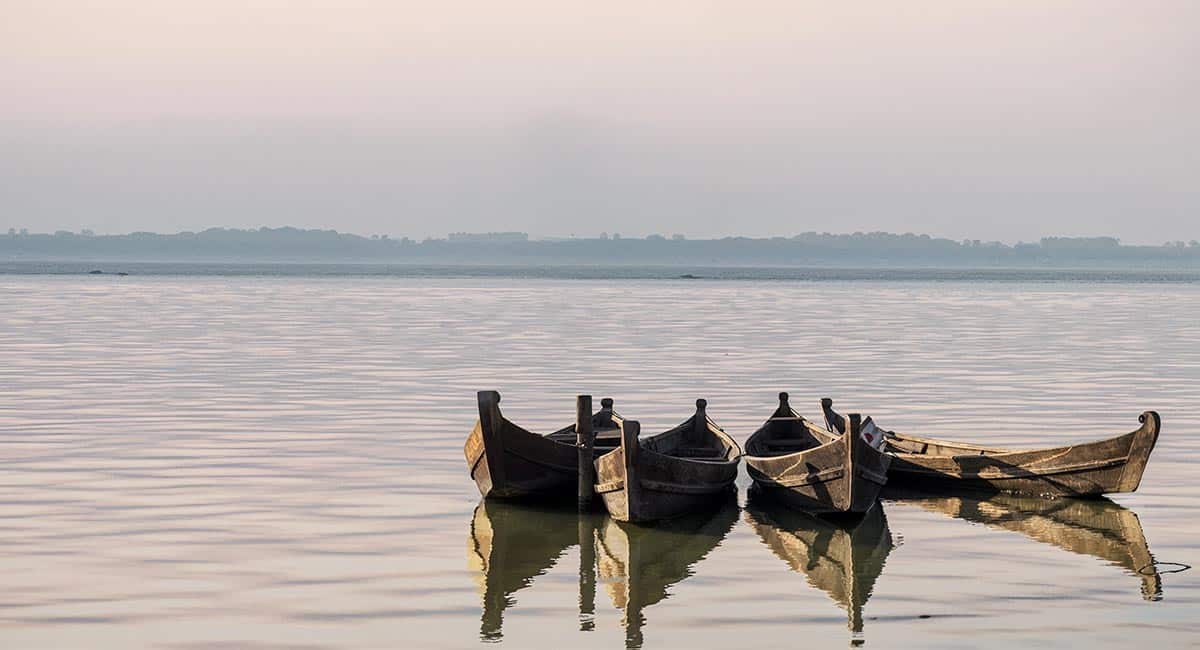
Mahanadi River is a waterway in central India
The Mahanadi River, one of the most prominent rivers in East Central India, holds immense significance—culturally, historically, ecologically, and economically—particularly for Odisha. Aptly named from the Sanskrit words maha (great) and nadi (river), the Mahanadi truly lives up to its name as a “Great River.” It is more than just a flowing body of water; it is the soul of Odisha, supporting its people, sustaining its environment, and enriching its heritage.
Origin and Path of the River
The Mahanadi originates from the Sihawa Hills in the Dhamtari district of Chhattisgarh. From this humble beginning, the river charts an impressive journey of approximately 851 kilometers. It flows through the states of Chhattisgarh and Odisha, with a minor segment touching Jharkhand, before finally emptying into the Bay of Bengal near the port town of Paradip in Odisha.
Of its entire stretch, about 494 kilometers flow through Odisha. This section is particularly crucial, as it weaves through the heart of the state, shaping its geography, economy, and culture. The river enters Odisha near the Sambalpur district and meanders through coastal plains, fertile farmlands, and dense forests, eventually forming a massive delta before reaching the sea.
Major Tributaries in Odisha
Several important tributaries feed the Mahanadi within Odisha, enhancing its water volume and ecological diversity. These include:
- Tel River: One of the largest tributaries, it flows through western Odisha and contributes significantly to the river’s catchment.
- Jonk River: Originating from Chhattisgarh, it adds to the river’s flow and nourishes adjoining districts.
- Ib River: Known for passing through mineral-rich areas, it supports several hydroelectric projects.
- Ong River: A vital tributary that helps irrigate lands in the western districts.
Together, these tributaries form a robust river network that supports agriculture, biodiversity, and human settlements across the state.
Hirakud Dam: Engineering Marvel and Economic Boon
The Mahanadi River is also the site of one of India’s most iconic infrastructure projects—the Hirakud Dam, located near Sambalpur. Completed in 1957, it is among the world’s longest earthen dams, stretching over 25.8 kilometers when including its dykes.
Key Benefits of the Hirakud Dam:
- Flood Control: The Mahanadi had a long history of devastating floods. The dam has been instrumental in controlling and managing the river’s flow, protecting lives and properties in the delta region.
- Irrigation: It irrigates over 1.5 million hectares of farmland, transforming Odisha’s agrarian economy and ensuring food security.
- Hydroelectric Power: The dam’s hydroelectric stations generate renewable electricity, supporting industries and rural electrification across the state.
- Tourism: With its vast reservoir, lush surroundings, and attractions like the Gandhi Minar, the dam is also a popular tourist destination, contributing to local livelihoods.
Cultural and Historical Importance
Odisha’s people have always deeply embedded the Mahanadi River in their spiritual and cultural consciousness. It has inspired generations of poets, artists, and thinkers, often celebrated as a symbol of prosperity and sanctity.
The riverbanks are home to many ancient cities and towns, including Cuttack, one of Odisha’s oldest urban centers. Over centuries, the river has fostered trade, nurtured civilizations, and played a vital role in developing Odisha’s rich cultural heritage.
Important Temples Along the Mahanadi:
- Maa Samaleswari Temple, Sambalpur: Situated on the banks of the Mahanadi, this temple is a primary spiritual site and attracts devotees from across the region.
- Chandi Mandir, Cuttack: Dedicated to Goddess Chandi, this riverside temple is central to the religious life of the people in Cuttack.
- Narayani Temple, Khallikote: Although located slightly distant, this temple draws significance from the historical water routes associated with the Mahanadi basin.
Biodiversity and Ecological Wealth
The Mahanadi River is an agricultural and cultural asset and an ecological treasure trove. Its waters and adjacent wetlands support a rich variety of flora and fauna. The river is home to fish species like rohu, catla, hilsa, and prawns, critical to the state’s inland fishing economy.
Birdwatchers and conservationists are particularly drawn to the Mahanadi Delta, a haven for migratory birds during winter. Species such as openbill storks, egrets, ibis, and ducks arrive here from distant lands.
One of the most ecologically significant stretches of the river is the Satkosia Gorge, where the Mahanadi carves through the Eastern Ghats. Declared a wildlife sanctuary and later a tiger reserve, Satkosia is home to species such as:
- Gharial and Mugger Crocodiles
- Indian Elephants
- Leopards
- Spotted Deer
- Numerous bird species
This gorge represents the river’s role in preserving biodiversity and promoting eco-tourism.
Final Thoughts
The Mahanadi River is far more than a watercourse—it is the very lifeline of Odisha. It sustains life, supports agriculture, nurtures ecosystems, and shapes the region’s culture. From the Hirakud Dam’s engineering marvel to the spiritual sanctuaries along its banks, from fertile farmlands to protected forests, the Mahanadi touches every aspect of Odisha’s existence.
As environmental challenges mount and developmental pressures increase, protecting and preserving this mighty river becomes ever more critical. The Mahanadi is not just a part of Odisha’s geography—it is its soul, carrying the prayers of its people and the promise of a sustainable future. For Odisha to continue thriving, the Mahanadi must flow with strength, purity, and purpose for generations.