

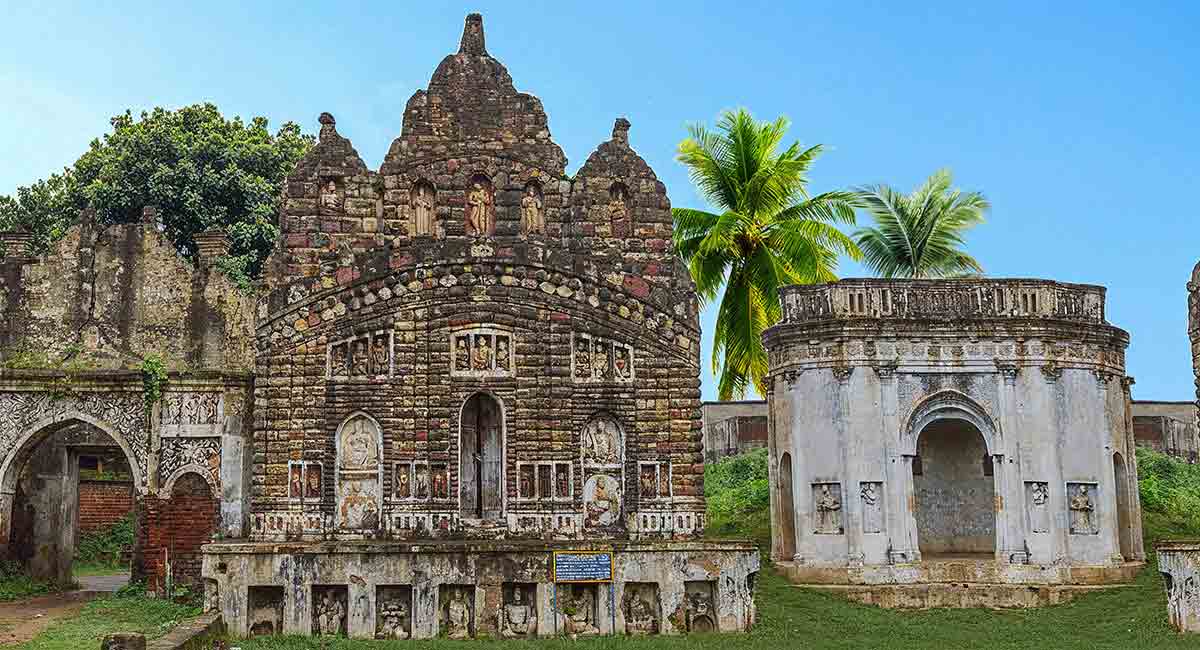
Giri Gobardhan Temple: A Sacred Pilgrimage Site in Odisha
Situated in the spiritual heartland of Odisha, the Giri Gobardhan Temple is a revered pilgrimage site that echoes the divine legend of Lord Krishna lifting the Govardhan Hill. Located near Puri, this sacred temple is a symbolic replica of the original Govardhan in Vrindavan, attracting devotees seeking blessings and spiritual solace. Encircled by serene natural surroundings and enhanced with legendary meaning, the temple provides a tranquil haven for worshippers and inquisitive tourists. Its unique structure and devotional ambiance make it a hidden gem in Odisha’s rich cultural and religious landscape.
The Mythological Significance of Giri Gobardhan
Giri Gobardhan directly references the sacred Govardhan Hill of Vrindavan, associated with Lord Krishna. Hindu mythology states that to shield the Gokul people from the furious rain deity Indra, Lord Krishna raised the Govardhan Hill on his little finger. This divine episode is not just a story—it’s a spiritual symbol of divine protection, humility, and unwavering faith.
The Giri Gobardhan Temple in Odisha seeks to recreate and honor this legend. Local belief holds that visiting this site offers the same spiritual merit as circumambulating the original Govardhan Hill in Uttar Pradesh. Hence, the temple has a deep spiritual resonance for devotees, especially Vaishnavites.
Location and Accessibility
The Giri Gobardhan Temple is near Puri, one of India’s most sacred pilgrimages. It is famous for the Jagannath Temple and the annual Rath Yatra. Situated in Chhatriput, this temple is accessible via road from Puri and Bhubaneswar. The serene land and its proximity to the Bay of Bengal enhance the spiritual ambience. Proximity to Puri often makes Giri Gobardhan an attractive day trip for devotees visiting the Jagannath Temple. However, its tranquil setting encourages many to spend more time here, putting themselves in peaceful meditation and rituals.
A Symbolic Representation of Govardhan Hill
The architecture of Giri Gobardhan Temple is a captivating blend of traditional Odia temple design and symbolic representation of Govardhan Hill. The temple structure resembles a hillock, intricately carved and adorned with sculptures depicting scenes from Lord Krishna’s life, especially the lifting of Govardhan Hill.
The sanctum houses a deity of Lord Krishna in his child form, often referred to as Gopal or Bal Gopal, surrounded by miniature shrines that represent other deities associated with Krishna’s story, such as Radha, Balarama, and the gopis (cowherd girls).
What stands out in the temple’s design is its circular parikrama path, which replicates the traditional Govardhan Parikrama. Pilgrims often perform this circumambulation, chanting bhajans and reliving Krishna’s divine leelas (divine ishna.
Spiritual Practices and Rituals
The temple is alive with rituals and devotional activities throughout the year. Aarti, bhajan sessions, and Krishna Janmashtami celebrations are the highlights. Devotees crowd the temple during Govardhan Puja, which they observe the day after Diwali. This time, people offer a large annakut (offering of a broad variety of food) to the deity and worship a symbolic hill constructed of cow dung adorned with flowers and food.
Devotees believe that offering prayers at Giri Gobardhan Temple helps remove obstacles, ensures protection, and brings divine grace through peace and prosperity. The temple priests also perform special pujas for rain and harvest, honoring Krishna’s role as the heavenly protector of nature and agriculture.
Cultural Importance and Community Involvement
The Giri Gobardhan Temple is not just a religious site—it plays a vital role in the cultural life of nearby villages. Local artisans, temple dancers, and musicians often perform traditional Odissi music and dance on temple premises during major festivals. These performances are more than entertainment—they are acts of devotion.
The temple also promotes environmental awareness, much like the teachings of Lord Krishna himself. In recent years, temple authorities and local devotees have taken initiatives to preserve nearby water bodies, plant trees, and encourage using eco-friendly materials during festivals.
Tips for Planning Your Visit
To get the most out of your visit to Giri Gobardhan Temple, consider the following tips:
- Best Time to Visit: Between October and March, when the weather is pleasant. Govardhan Puja is the most auspicious time.
- How to Get There: Bhubaneswar, roughly 70 kilometers away, has the closest airport. You can use local buses or hail a cab from Puri or Bhubaneswar.
- Where to Stay: You can stay in Puri or nearby eco-resorts and guesthouses that offer simple but comfortable accommodations.
- Local Cuisine: Don’t miss the opportunity to try mahaprasad from the Jagannath Temple kitchen. Local food is simple, vegetarian, and deeply satisfying.
Final Thoughts
The Giri Gobardhan Temple in Odisha is more than a religious structure—it is a living embodiment of faith, culture, and community. Whether you are a devout Krishna bhakt or a curious traveler, this spiritual oasis invites you to delve into ancient wisdom and experience the divine energy that pervades its sacred soil.
As you walk its parikrama path, offer your prayers, or simply sit in silence, you’ll feel a timeless connection—one that links the heart of Odisha to the soul of Vrindavan, perhaps more profoundly, to your own.