Importance of GI Tags in Protecting Odisha Sarees
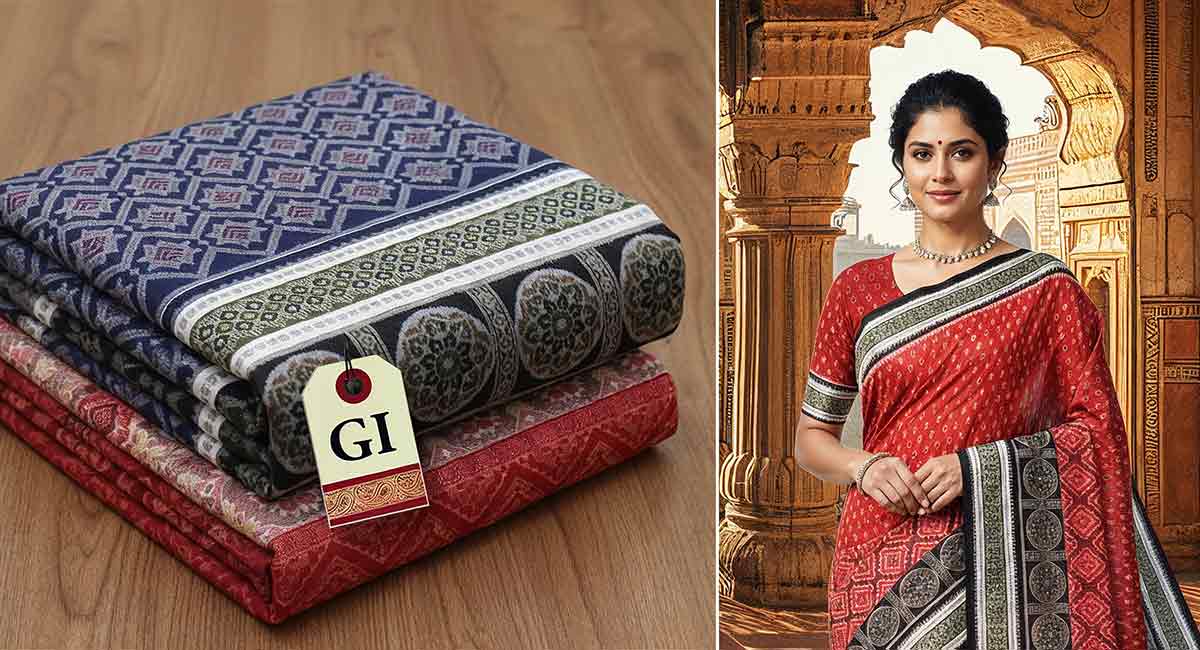
Sarees, one of India’s most iconic and traditional garments, are known for their diversity in design, fabric, and weaving techniques across different regions. Odisha has long been known for its gorgeous hand-woven sarees and rich cultural legacy. These sarees, including Sambalpuri, Bomkai, and Khandua, are more than garments. They represent craftsmanship, tradition, and regional identity. In recent years, imitation and mass production have threatened their uniqueness. This has increased the need for strong protective measures.
What is a GI Tag?
A Geographical Indication (GI) tag labels a product to show it possesses certain qualities, enjoys a particular reputation, or originates from a specific region. It grants intellectual property protection to products from a specific geographical location. The GI tag helps protect the product’s reputation and ensures that only those connected to that region can produce or market the product under that name. Authorities introduced this system to preserve traditional and regional products from exploitation and misuse.
The Vast Tradition of Odisha Sarees
Odisha’s sarees blend traditional artistry, intricate designs, and centuries-old weaving techniques. The state is home to some of India’s most famous handloom sarees, each unique in its craftsmanship.
- Sambalpuri Sarees: These elaborately patterned sarees, renowned for their ikat dyeing process, frequently feature natural motifs like flowers, animals, and temples. Artisans first tie and dye the bandha carefully. This process creates the intricate motifs that define the saree’s design.
- Bomkai Sarees: Bomkai sarees are woven in the Ganjam region and are famous for their elegant motifs and contrasting colors. The designs often feature themes of nature and mythological symbols, making them distinct from other traditional sarees.
- Khandua Sarees: Cuttack weavers produce these sarees using rich cotton fabric and detailed woven borders. Khandua sarees often play an important role in religious rituals and festivals, making them sacred.
Cheap, mass-produced copies imitate the designs of these sarees. They fail to match the authentic quality and craftsmanship of the originals. This has led to a decline in the demand for traditional Odisha sarees, as consumers are often unaware of the differences in quality and craftsmanship.
Role of GI Tags in Protecting Odisha Sarees
- Preserving Traditional Craftsmanship: The GI marking protects traditional weaving methods that artisans have handed down through the years. The GI tag is essential to maintaining the complexities of handloom weaving for the saree weavers of Odisha. Artisans craft Sambalpuri sarees using the bandha technique. This method demands exceptional skill and precise craftsmanship, highlighting the saree’s unique artistry. This level of detail is difficult for machines to replicate. The GI designation protects the authentic weaving process and prevents imitation by cheaper, machine-made copies. It ensures that future generations of artisans can carry on the tradition confidently.
- Preventing Imitation and Misrepresentation: One of the biggest challenges Odisha sarees faces is the proliferation of counterfeit products in the market. Imitations of Sambalpuri, Bomkai, and Khandua sarees are sold under the same names, misleading consumers and undermining the hard work of traditional artisans. A GI tag allows only those who meet the specified criteria and genuinely make products in Odisha to market them as Odisha sarees. This helps prevent misrepresentation and ensures buyers receive an authentic product.
- Economic Empowerment of Weavers: For the weavers in Odisha, the GI tag can be a game-changer. It provides an economic incentive by creating a niche market for authentic Odisha sarees. The GI tag increases the value of these sarees. Certified authenticity, high quality, and unique designs make them more desirable, often raising their prices. This rise in value benefits weavers by enabling fair pricing, improving livelihoods, and sustaining their traditional craft. The GI tag ensures that artisans receive fair compensation for their work and stops middlemen from exploiting them.
- Cultural and Heritage Protection: Sarees from Odisha embody the state’s tradition and cultural identity. They are not merely clothing but symbols of heritage and craftsmanship. The intricate designs and motifs woven into each saree often tell stories from mythology, religion, and local traditions. A GI tag protects this cultural legacy and ensures artisans preserve traditional weaving knowledge and skills. It raises awareness of Odisha’s rich cultural history. People can better connect with the state’s traditions through this recognition.
- Boosting Tourism and Brand Value: The GI tag also has the potential to boost tourism in Odisha. By promoting Odisha sarees as a unique cultural product, the GI tag helps to create a distinct brand identity for the state. Tourists visiting Odisha look for authentic, handwoven sarees to take home as souvenirs. This demand highlights the value of preserving these traditional crafts. Global recognition of GI tags helps Odisha sarees gain international visibility and boosts export opportunities.
- Supporting Sustainable Practices: Handloom weaving is an eco-friendly and sustainable practice. Traditional handloom weaving relies on natural fibers and organic dyes. Unlike traditional sarees, mass-produced textiles rely on machines and synthetic dyes. By supporting Odisha’s handloom industry through GI protection, consumers actively promote sustainable practices. This can help reduce the textile industry’s environmental impact and promote ethical consumption.
Final Thoughts
The GI tag is a powerful tool in safeguarding the rich heritage of Odisha sarees. By ensuring authenticity, quality, and craftsmanship, the GI tag protects the livelihoods of skilled artisans. It also helps preserve an important part of Odisha’s cultural identity. As consumer awareness of GI-tagged products increases, demand for authentic Odisha sarees is expected to rise. This growing interest brings greater recognition and legal protection to these handwoven creations. In a world dominated by mass production and imitation, the GI tag stands as a symbol of authenticity. It safeguards the rich legacy of Odisha’s sarees for future generations.