

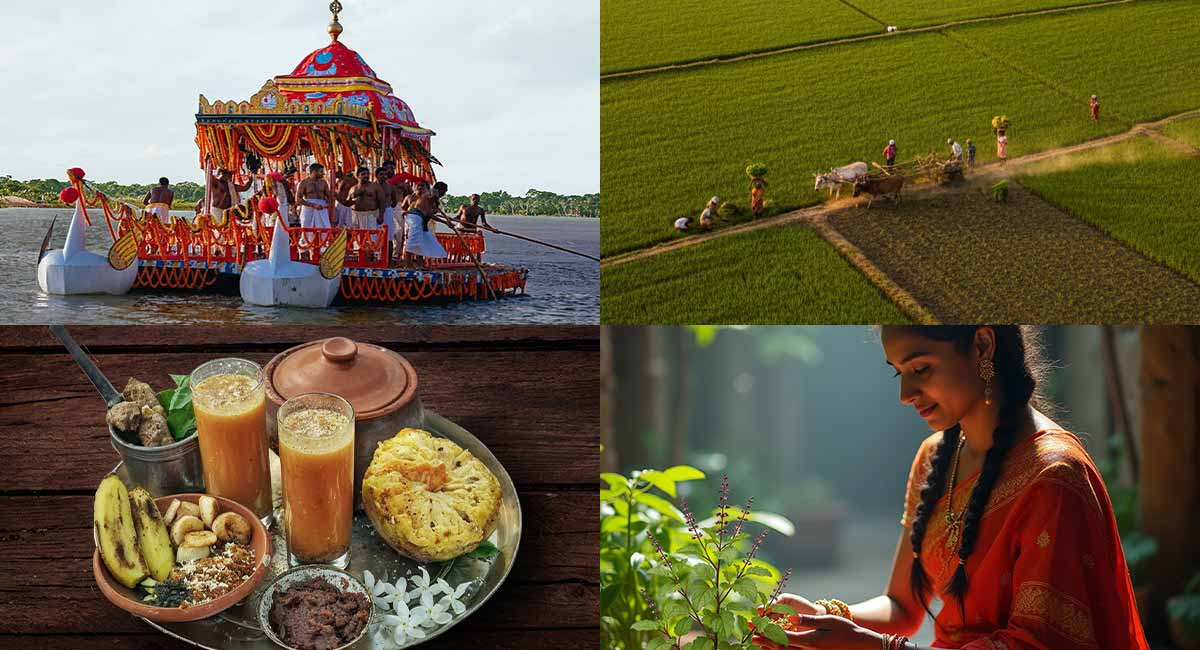
Baisakhi, Odisha
Baisakhi, also known as the Vaisakhi festival, is one of India’s most significant celebrations, especially in rural regions such as Odisha. The festival holds great significance in the cultural, religious, and agricultural calendars of the people in this part of the country. The celebration of Baisakhi in rural Odisha is an expression of gratitude for the harvest and a time of spiritual renewal and community bonding.
What is Baisakhi?
Every year on April 13 or 14, Baisakhi is celebrated, signaling the start of a new harvest season. It is a festival of great agricultural importance, especially for the farmers in rural India. In Odisha, the Baisakhi festival holds dual significance—it is both a religious occasion and a celebration of the agricultural cycle.
The festival has roots in various religious traditions, including Sikhism and Hinduism. Baisakhi is particularly significant in Sikhism since it honors Guru Gobind Singh’s founding of the Khalsa in 1699. According to Hinduism, Baisakhi is the beginning of the harvest season in many regions of the nation and the solar new year when the sun transitions from Pisces to Aries.
However, in rural Odisha, Baisakhi is primarily associated with the harvest season and the following rituals to honor the agrarian lifestyle. The people of Odisha, particularly in rural areas, celebrate Baisakhi to give thanks for the bountiful crops and seek blessings for prosperity and good health.
Agricultural Significance of Baisakhi in Rural Odisha
In Odisha, the agricultural cycle is vital in people’s daily lives. The state is known for its fertile land, and the rural population relies heavily on agriculture as the primary source of livelihood. Farmers harvest the rabi crops (wheat, barley, and mustard) during Baisakhi. The festival thus becomes a time for farmers to gather their crops and celebrate the fruits of their hard labor.
The people of rural Odisha give thanks to nature for the good harvest and seek blessings from deities to ensure a prosperous future. Rituals and customs associated with Baisakhi are deeply rooted in agricultural traditions, including Baisakhi rituals and practices that have their roots in agrarian traditions, including worshiping the Sun, Earth, and other natural elements that help produce a bountiful crop.
Farmers perform pujas (prayers) on the eve of Baisakhi to thank the gods for the harvest and favorable weather conditions for the next crop cycle. People often offer the first crop from the harvest to the local deity as a symbol of gratitude. The community usually performs the rituals in the fields, near water bodies, or at community shrines, with the entire village participating in the festivities.
Religious and Spiritual Significance
The people of rural Odisha regard Baisakhi as a festival of profound religious importance. While Hindus in the region celebrate the festival, the Sikh community also observes it, honoring their ancestors who significantly contributed to India’s agrarian traditions.
In rural Odisha, Baisakhi is a time for religious observance and spiritual reflection. Devotees visit temples, particularly those dedicated to local deities like Lord Jagannath or other regional gods and goddesses. Flowers and lights beautifully decorate the temples, and people gather to offer prayers, perform rituals, and seek blessings for their families.
The spiritual essence of Baisakhi also ties back to the importance of living in harmony with nature. Farmers believe that offering gratitude to nature and the deities ensures future prosperity. The harvest is seen as a divine gift, and people take time to acknowledge the power of nature in their lives. Baisakhi expresses faith and reverence toward the divine through prayers, songs, and dances.
Traditional Celebrations and Cultural Activities
In rural Odisha, Baisakhi is a religious and agricultural celebration and a cultural extravaganza. The festival brings communities together in vibrant celebrations, including traditional dances, music, feasts, and other artistic performances.
One of the most notable cultural expressions during Baisakhi is the traditional Chhau dance, which is popular in the Mayurbhanj district of Odisha. Elaborate masks, vigorous movements, and rhythmic beats characterize this folk dance, which performers use to celebrate important events such as harvest festivals. To honor the harvest season and show their appreciation for the natural world, the villagers perform the Chhau dance during Baisakhi.
Besides the Chhau dance, performers present folk dances like Ghumura, Dalkhai, and Rangabati during the festival. Songs and drumming accompany these dances, which spread excitement and joy throughout rural Odisha. These performances commemorate the event and uphold the social fabric, fostering greater ties throughout the community and bringing people closer together.
In addition to the dances, the village community gathers for a grand feast. It is common for people to prepare special delicacies, particularly made from the newly harvested crops. During the festivities, people serve traditional Odia foods like pakhala bhata (fermented rice), dalma (lentil curry with vegetables), and sweets like chhena poda and rasgulla. These dishes represent the region’s local cuisine and reflect the region’s cultural bounty.
Baisakhi and Community Spirit
Baisakhi is a time for strengthening community ties. In rural Odisha, the celebration of Baisakhi is not just an individual family event but a collective village experience. The villagers come together to participate in the rituals, dances, and feasts, creating a sense of unity and cooperation. This shared celebration helps build strong social bonds and encourages people to help each other in need.
In addition, Baisakhi includes a social component when people go to each other’s houses to welcome and bless each other. Even friends and family who live far away gather to celebrate and deepen their familial bonds during this time. Rural Odisha culture deeply values community, and Baisakhi provides a forum to reaffirm these ideals.
Final Thoughts
Baisakhi in rural Odisha is much more than a harvest festival. It is a celebration of life, nature, and community. Rooted in the region’s agricultural traditions, the festival symbolizes gratitude for the land’s bounty and reflects the spiritual, cultural, and social dimensions of the people’s lives. Through prayers, rituals, dances, and feasts, Baisakhi brings people together, fosters a sense of community, and reinforces the deep connection between the people of Odisha and the land they depend on. It is a time for reflection, celebration, and hope for a prosperous future, making it one of the most cherished festivals in rural Odisha.